Category: Software Development
-
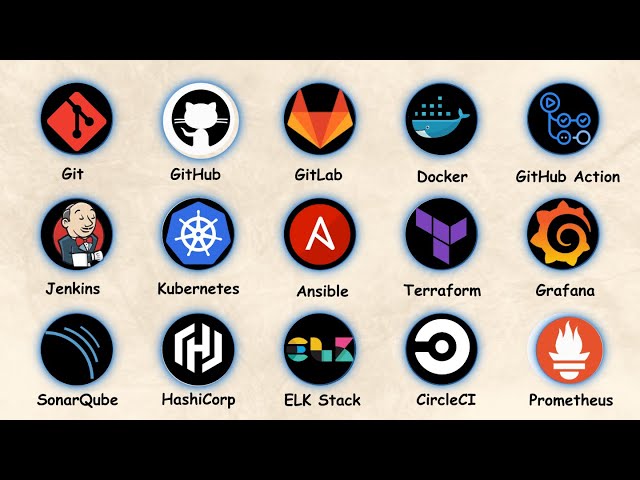
Every DevOps Software Explained in 8 Minutes: Your Essential Tool Guide
DevOps is a philosophy built on automation, collaboration, and continuous improvement, and it’s powered by a robust ecosystem of tools. This post summarizes the key software every engineer should know, based on the video “Every DevOps Software Explained in 8 Minutes,” covering the full lifecycle from code to production
-
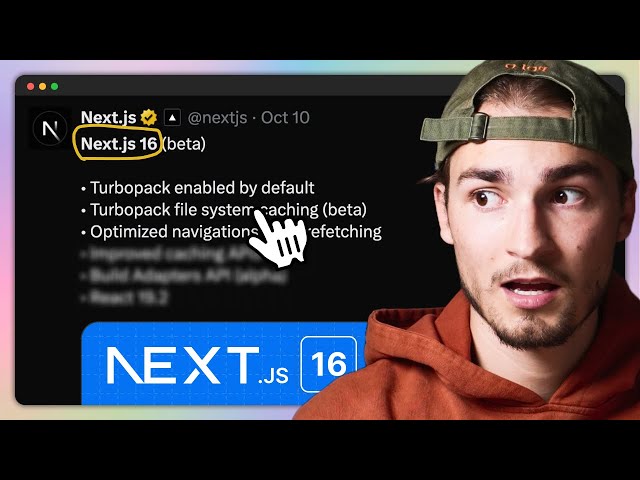
Next.js 16 Beta Unveiled – Turbocharged Performance and Granular Caching Define the Future
Next.js 16 Beta is a landmark release that underscores Vercel’s commitment to performance and developer experience. With TurboPack hitting stability and a revolutionary caching system, building fast, scalable, and delightful web applications is about to get a whole lot easier. Developers are encouraged to update their projects using the provided code mod to experience these…
-
Claude Haiku 4.5 – The Fast, Cheap, and Powerful AI Model Changing the Game
Claude Haiku 4.5 is available via the Claude API, Amazon Bedrock, Google Cloud’s Vertex AI, and is being integrated into products like GitHub Copilot. Its arrival marks a significant step forward in making powerful, fast, and affordable AI a reality for a broader range of applications.
-
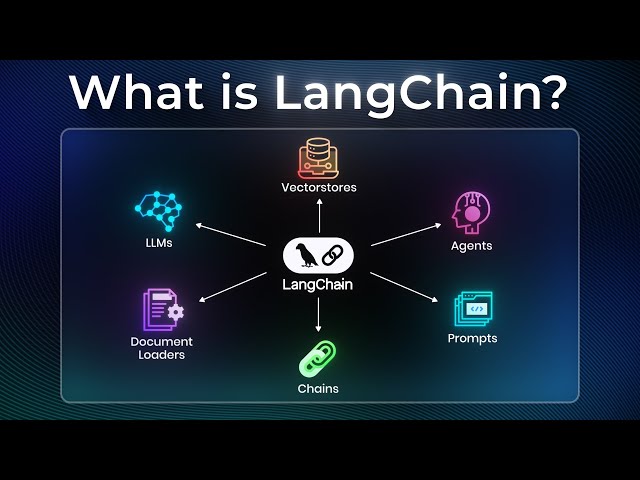
LangChain Explained in 10 Minutes: Components, Agents, and Building Your First AI Chatbot
Building a sophisticated AI application like a company chatbot requires more than just calling an LLM’s API. You need memory, knowledge retrieval from internal documents, and the flexibility to switch models. LangChain is an essential abstraction layer that provides a coherent, production-ready framework to manage this complexity with minimal code.
-
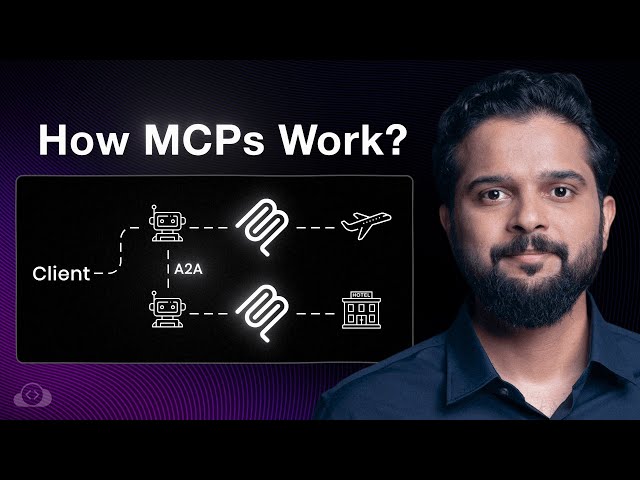
Model Context Protocol (MCP) Explained for Beginners: AI Flight Booking Demo!
The Model Context Protocol (MCP), an open standard developed by Anthropic. MCP acts as the standardized “magic glue” that seamlessly connects AI with the outside world.
-
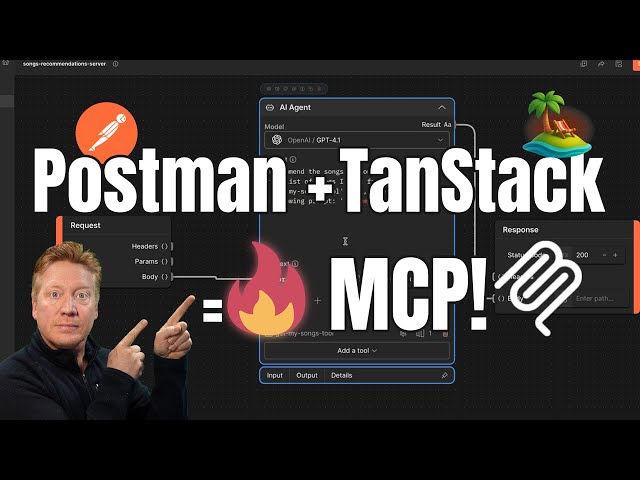
Postman + TanStack Start: The Ultimate No-Code Solution for Model Context Protocol (MCP)
This entire process demonstrates how Postman allows you to prototype a full-fledged MCP AI integration experience with minimal or no code. It secures a path for adopting the benefits of AI tooling without requiring deep changes to your underlying API infrastructure.
-

The React Foundation: Solving React’s Existential Problems and Securing its Future
This foundation not only secures the framework’s funding but resolves critical questions about control and direction. It opens the door for React to evolve and innovate in ways previously unimaginable, creating a more stable and community-driven ecosystem for everyone involved.
-
RAG vs. CAG: Solving Knowledge Gaps in AI Models
RAG vs. CAG: Solving Knowledge Gaps in AI Models Large language models face a fundamental knowledge problem – they can’t recall information that wasn’t in their training data, whether it’s recent news like Oscar winners or proprietary business data. Two powerful techniques have emerged to address this limitation: Retrieval-Augmented Generation (RAG) and Cache-Augmented Generation (CAG).…
-
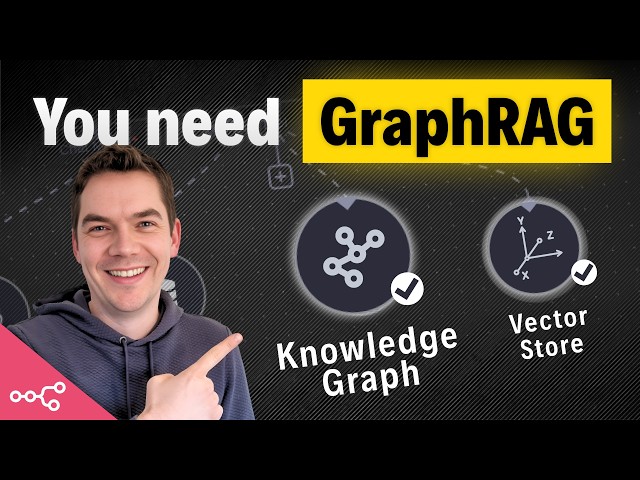
How GraphRAG Makes AI Agents Smarter
Traditional RAG was a great start, but GraphRAG takes AI agents to the next level. With structured graphs, hybrid search, and n8n integration, your AI workflows become smarter, more context-aware, and better equipped to solve complex problems.
-
Spec-Driven Development with GitHub’s SpecKit: The Future of AI-Powered Coding
SpecKit represents a big step forward in how AI coding workflows are structured. By turning intent into executable specifications, it bridges the gap between what developers want and what AI delivers. As AI coding agents evolve, spec-driven development will likely become a mainstream paradigm for software teams.
-
How AI Impacts Software Engineering Productivity: Insights from Research
AI is already a powerful assistant for software engineers—not a replacement. Used wisely, it can significantly enhance productivity while allowing human engineers to tackle more meaningful challenges. But it’s not a silver bullet. Complex systems, niche languages, and legacy codebases will still need skilled human judgment. In short: AI amplifies engineering—but doesn’t automate it away.
-
Game-Changing Technology Trends Shaping 2026
By 2026, artificial intelligence and emerging tech are on track to automate up to 70% of everyday tasks, fundamentally transforming how we live, work, and interact with machines. The following 17 trends are not just futuristic predictions—they’re already unfolding before our eyes.
-

GitHub Spark: Build a Full-Stack React App in Minutes
GitHub Spark: Build a Full-Stack React App in Minutes Amazon’s new web-IDE may have made headlines last week, but GitHub Spark just stole the show. Spark promises to turn a plain-language prompt into a deployed React app—complete with backend data storage, live theme editing and AI capabilities—without leaving your browser. What Exactly Is Spark? Spark is an all-in-one,…
-

Vibe Coding with AI: Fast Isn’t Always Effective
The DIY AI app video is a great example of creativity, but also a reminder: true productivity and quality flow from structure. Just as time management techniques turn scattered effort into progress, disciplined planning and prioritization elevate your coding—from a rough prototype to a polished product.
-

Claude Code Replaced Cursor… Here’s Why
Claude Code exemplifies how AI is redefining coding assistance: not just completing lines, but anticipating developer intent fluidly. While not perfect, its proactive “cursor-replacing” approach marks a significant leap in coding convenience—paving the way for smarter, faster, and more intuitive development environments.
-

AI Products to Build in 2025
Manu Arora paints an inspiring yet grounded roadmap for AI startup builders in 2025. Whether you’re passionate about education, productivity, creativity, or health, there’s a unique opportunity to create powerful, niche AI solutions. The future belongs to those who combine creative domain insight with smart AI integration.
-

Is Your Project Perfect?: Project Review
A clean, intuitive UI with well‑structured components boosts usability. Keep state management lean. Focus on optimizing performance and asset loading. Prioritize accessibility and semantic HTML. Add documentation and basic testing to level up your developer profile.
-
Keeping APIs Up During Peak Loads
Ensuring API uptime during peak loads isn’t a one-time setup—it’s a continuous practice. From planning load tests and configuring auto-scaling to adding caching and resilience patterns, every piece plays a role. Pair these best practices with effective monitoring and degradation strategies to keep your API responsive, reliable, and user-friendly, even when traffic spikes unexpectedly.