-

The Rise of Perplexity AI – A Zero-Investment Success Story
Introduction The YouTube video “How an Indian Boy with $0 Created Google’s Worst Nightmare” chronicles the rise of Perplexity AI, an innovative startup founded by an Indian entrepreneur from humble beginnings—no initial funding, yet now challenging Google’s dominance in search. 🧩 What Is Perplexity AI? Perplexity AI is an intelligent search engine that blends LLM-powered…
-
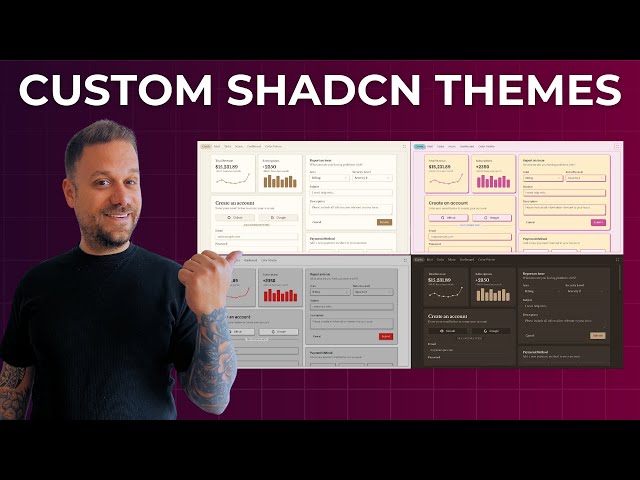
✦Visual Theme Editor
Tweakcn.com offers a polished, user-friendly visual theming tool with impressive customization options. A few documentation and feature enhancements could push it to industry-grade. But as it stands now? A strong 8.5 – great bang for your time.
-
Keeping APIs Up During Peak Loads
Ensuring API uptime during peak loads isn’t a one-time setup—it’s a continuous practice. From planning load tests and configuring auto-scaling to adding caching and resilience patterns, every piece plays a role. Pair these best practices with effective monitoring and degradation strategies to keep your API responsive, reliable, and user-friendly, even when traffic spikes unexpectedly.
-
Navigating the AI Landscape with Artificial Analysis
In the rapidly evolving world of artificial intelligence, selecting the right AI model and API provider is crucial for developers, businesses, and researchers. Artificial Analysis offers an independent and comprehensive platform to compare and evaluate AI models and their respective API providers.
-
Navigating Your Tech Career with roadmap.sh: A Comprehensive Guide
In the ever-evolving tech landscape, developers often find themselves overwhelmed by the multitude of technologies and career paths available. Enter roadmap.sh, a community-driven platform designed to provide clear, visual learning paths tailored for developers at every stage of their career. What Is roadmap.sh? roadmap.sh is an open-source initiative that offers structured, role-based, and skill-based roadmaps…
-

Augment Code: Revolutionizing Developer Productivity with AI Agents
Augment Code is a developer AI platform tailored for professional software engineers working with complex, large-scale code bases. Unlike generic coding assistants, Augment integrates deeply with your existing tools and infrastructure, offering context-aware assistance that evolves as you work.
-
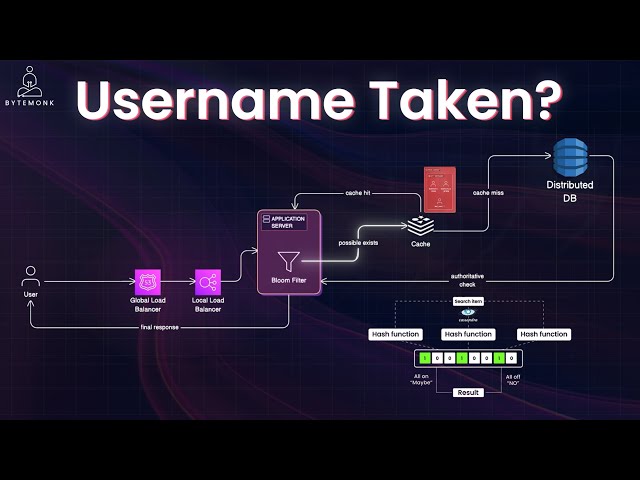
How Big Tech Verifies Usernames in Milliseconds
The instantaneous feedback users receive when checking username availability is the result of complex, well-orchestrated systems. By leveraging distributed architectures, caching, load balancing, and optimized algorithms, tech giants ensure a seamless user experience.
-
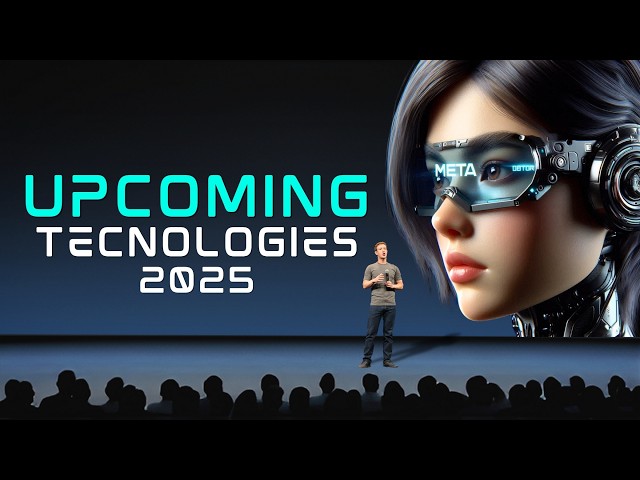
Top 20 Emerging Technology Trends Shaping the Future
These emerging technologies are not just trends but catalysts for profound societal and industrial transformation. Staying informed and adaptable is essential for individuals and organizations aiming to thrive in this dynamic landscape.
-

The Essential Skill Every Vibe Coder Must Master
Vibe coding represents a significant shift in software development, emphasizing collaboration between humans and AI. Mastering prompt engineering is the cornerstone of this approach, empowering developers to harness AI’s capabilities effectively. As AI tools continue to evolve, this skill will become increasingly vital in the developer’s toolkit.
-

Building Products with AI: A Strategic Approach
ntegrating AI into product development is not just about adopting new technology; it’s about rethinking how products are conceived, built, and refined. By embracing AI, developers can create more responsive, efficient, and user-friendly products.
-

Enhancing AI Workflows with Open WebUI and LiteLLM
The integration of Open WebUI and LiteLLM marks a significant step towards more efficient and user-friendly AI workflows. By consolidating interfaces and simplifying interactions with multiple AI models, these tools empower users to harness the full potential of artificial intelligence with greater ease and flexibility.
-

OpenManus: A Free, Open-Source Alternative to Manus for AI Enthusiasts
OpenManus stands as a testament to the power of open-source initiatives in shaping the future of technology. By providing a free and transparent alternative to Manus, it not only broadens access to AI tools but also encourages a collaborative approach to technological advancement. As the AI community continues to grow, platforms like OpenManus will play…
-
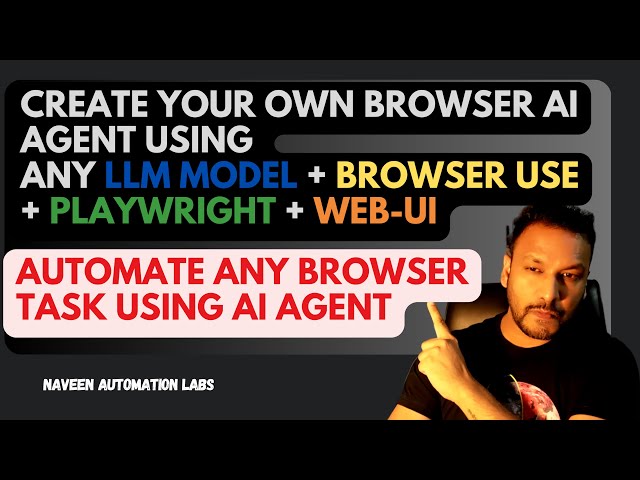
Automate Your Web Tasks: A Guide to Browser AI Agents with Open-Source Tools
In a recent video tutorial, Naveen Automation Labs dives into the exciting world of browser AI agents, demonstrating how you can leverage open-source tools to automate a wide array of tasks directly within your web browser. This technology opens up possibilities for streamlining everything from online shopping to job applications. Introducing Browser AI Agents and…
-

AI Coding Assistant Showdown: Augment Code vs. Cursor AI – Which is Better?
The video likely provides a detailed comparison of Augment Code and Cursor AI, considering factors like code completion, generation, debugging, and integration. It probably concludes by suggesting which AI coding assistant is better suited for different development tasks and preferences.
-

Unveiling the Power of Google’s A2A Protocol
Google’s A2A protocol, as highlighted by Jack Herrington, is a powerful technology that enables seamless communication and data exchange between applications. Its ability to enhance interoperability, increase efficiency, and support real-time data exchange makes it a crucial component of modern IT systems.
-
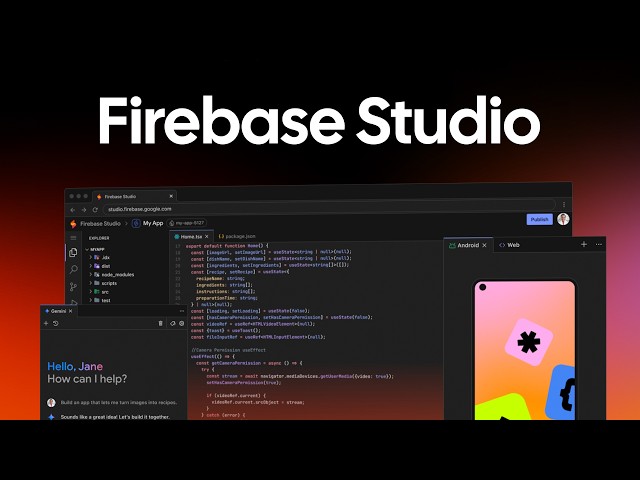
Firebase Studio: Google’s AI IDE Revolutionizing App Development
Firebase Studio represents a significant step forward in app development, leveraging AI to accelerate prototyping, enhance collaboration, and simplify deployment. With its intuitive interface and powerful features, Firebase Studio has the potential to become an indispensable tool for developers seeking to build high-quality applications efficiently
-

AI Model Tier List: Insights and Feelings from a Chat App Builder
Theo’s video provides valuable insights into the current state of AI models, based on real-world experience. His tier list and candid observations offer a practical guide for navigating the complex and rapidly evolving AI landscape. From cost-effectiveness and performance to transparency and specific use cases, his analysis highlights the key factors to consider when selecting…
-
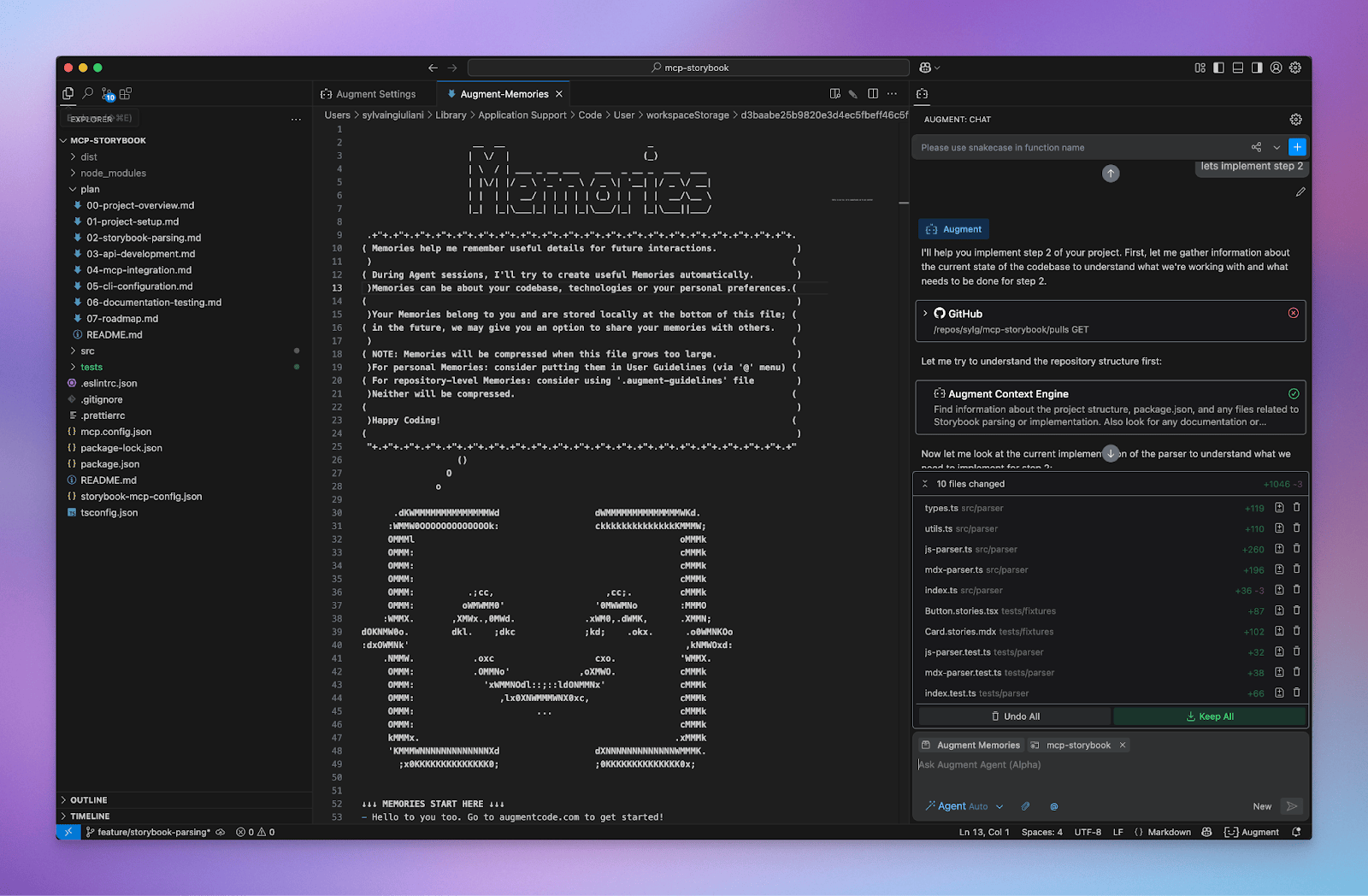
Meet Augment Agent: Your AI pair programmer that deeply understands your codebase, and learns as you work
The Power of Context – Memories & Tools At Augment, we’ve built our Context Engine to deliver the right context to every AI interaction. This is what sets us apart from our competition and what our users love. And, we’ve proven our expertise in building powerful, performant agents with our #1 leaderboard spot on SWE-bench-verified.…