Category: Web Development
-
Bringing AI Directly into the Browser: Building Next-Gen Web Apps with WebMCP and TanStack Start
In a groundbreaking technical walkthrough, engineer Jack Herr demonstrated exactly how to build a highly interactive, 3D printing modeling application for Multiboard by combining TanStack Start with a revolutionary open-source project called WebMCP.
-
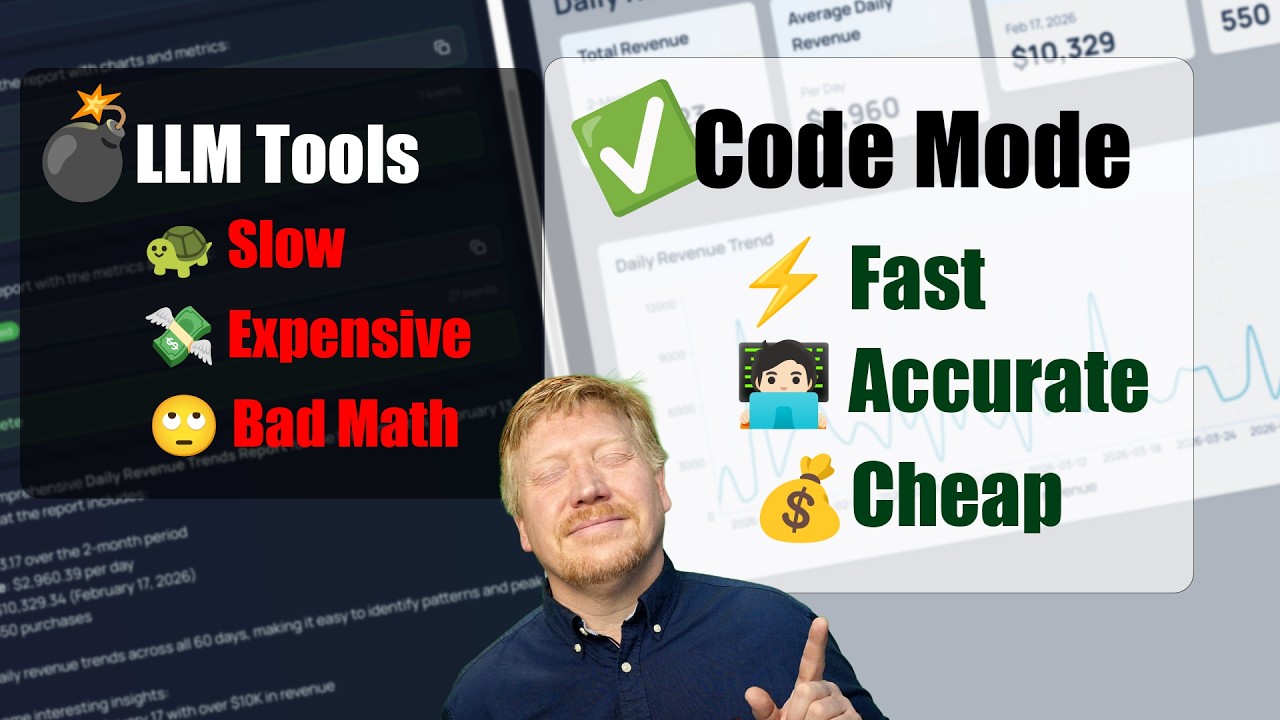
Prompt to Dashboard: Accelerating Data App Development with AI Code Mode
, a massive shift is occurring in how developers interact with data systems. By combining specialized developer platforms with the advanced Code Mode capabilities of frontier AI models, it is now possible to go from a single text prompt to a fully realized, interactive dashboard in a single tool call.
-
Power Up Your CLI: Top 5 Claude Code Skills to Cut Token Bills and Save Hours
The secret to maximizing this tool lies in Claude Code Skills—modular, community-driven bundles of rules and system instructions that sit directly in your project root to supercharge how the agent behaves.
-
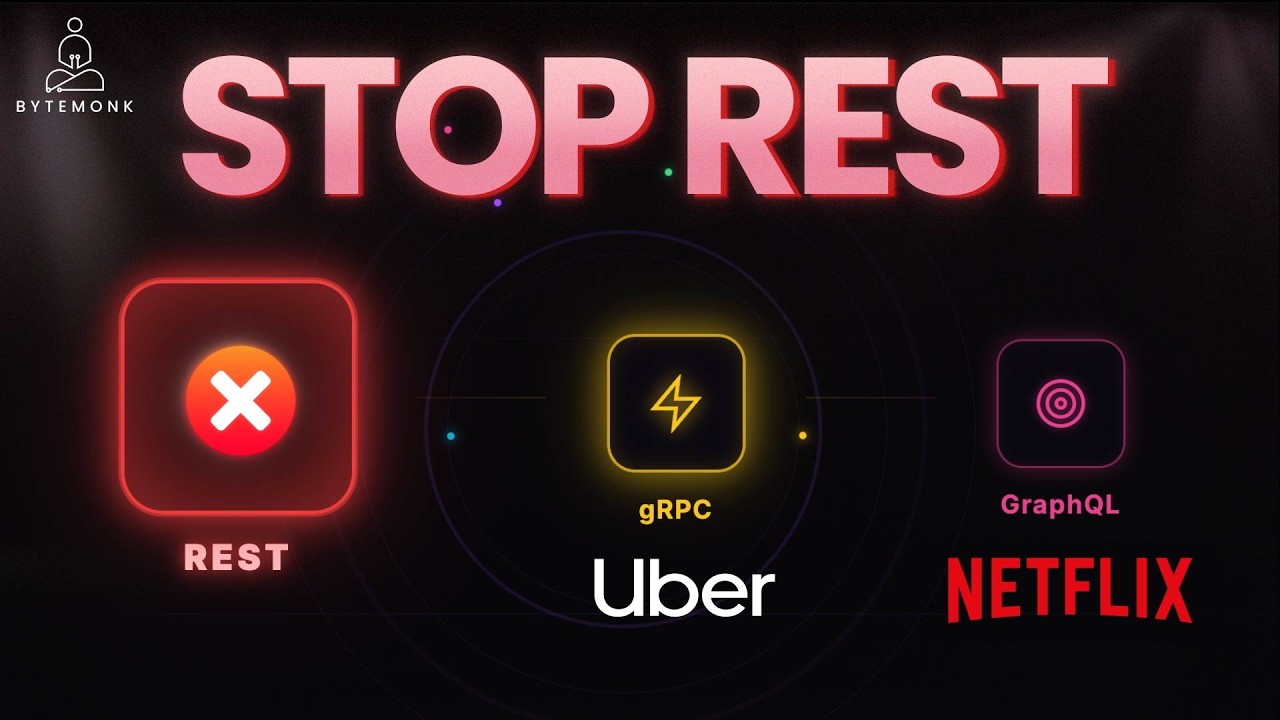
Beyond REST: Why Big Tech Swears by gRPC and GraphQL for High-Scale Architectures
Why does Big Tech ditch the industry-standard REST API model? The answer comes down to structural engineering bottlenecks that only appear when you are dealing with billions of requests per second, microservices sprawl, and hyper-optimized mobile performance.
-
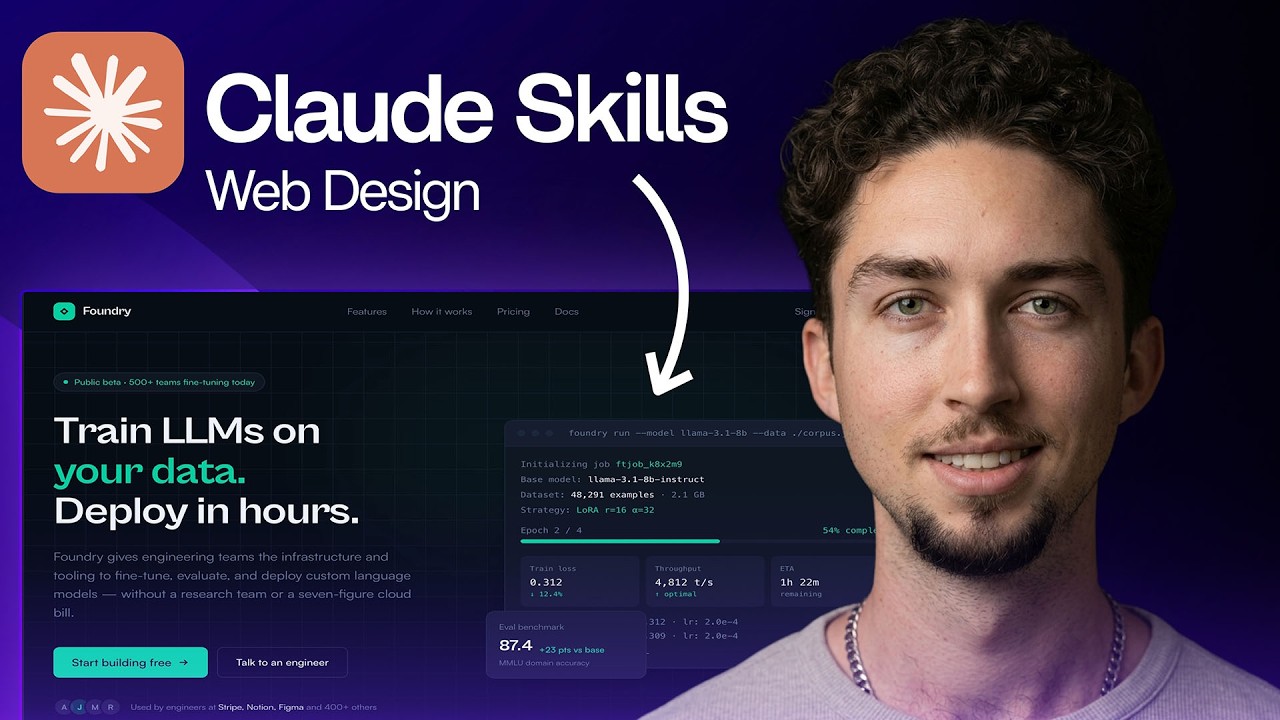
Claude 3.7 Sonnet vs. Front-End Web Design: Can AI Actually Design a Production Website?
In a recent experiment mirroring popular web design stress tests, we evaluated Claude’s capabilities in creating a completely production-ready, beautiful, and interactive web interface right from a text prompt. Here is what happened, where Claude shined, and where the human touch is still completely irreplaceable.
-
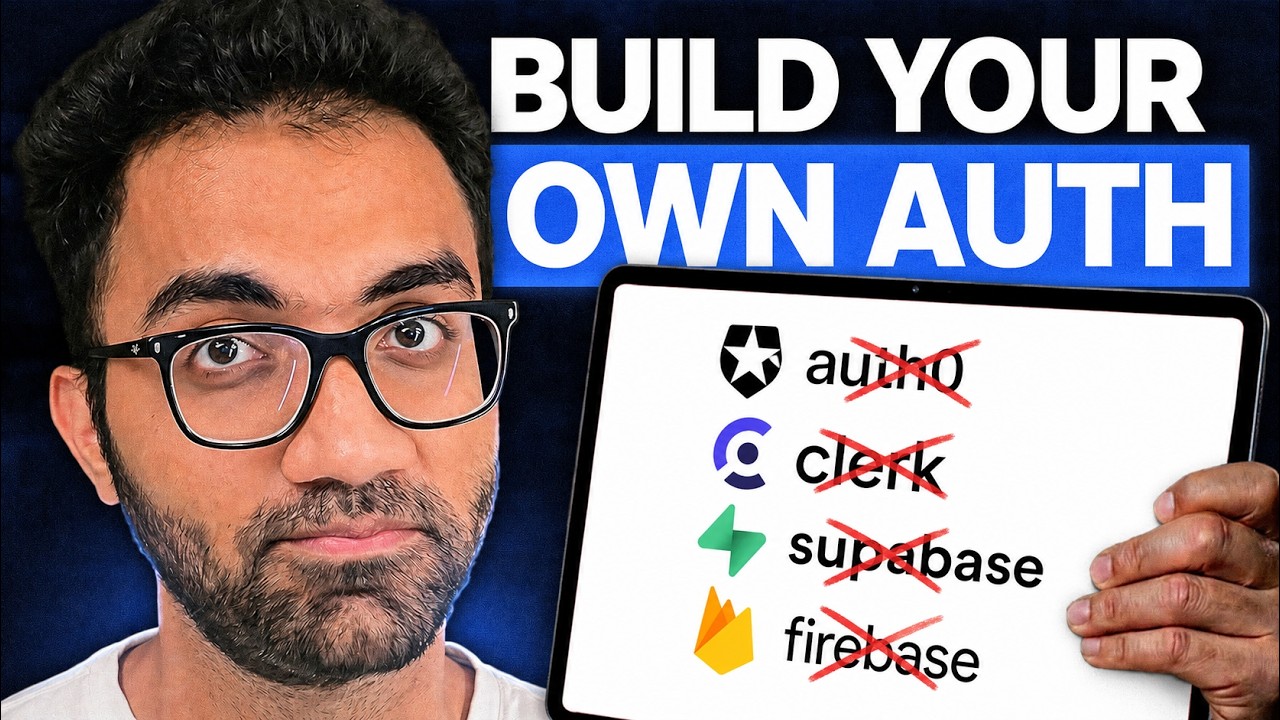
Your Auth System is Probably Wrong: Building Secure Architectures Like a Senior Engineer
In a recent breakdown on his channel, engineer Mehul Mohan pulled back the curtain on common authentication patterns, exposing why many modern implementations—even those used in production—are fundamentally flawed. If you want to ensure your user data is truly secure, it is time to unlearn some modern “best practices” and adopt a battle-tested, senior-engineer mindset.
-
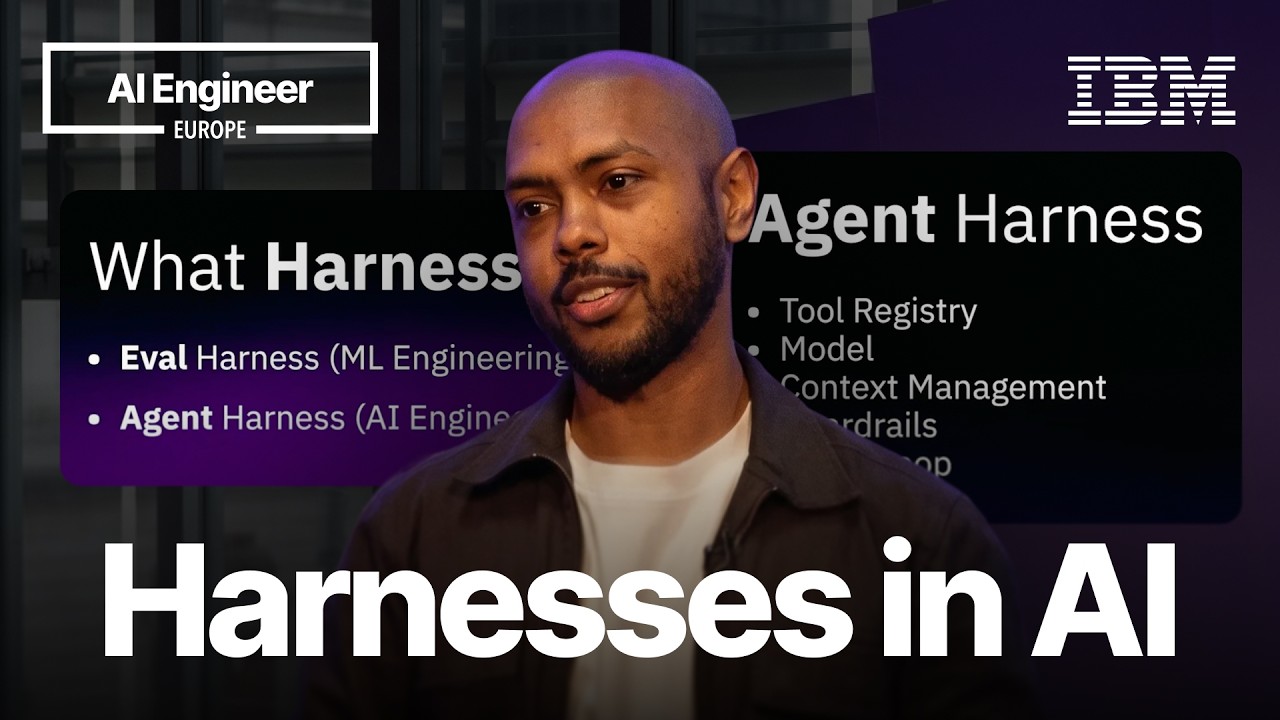
Harnesses in AI: A Deep Dive
Real-World Applications: Enterprise Security and Scaling Cost-Effectively This methodology isn’t just for toy projects; it forms the core of modern enterprise deployments. At IBM, these architectures are deployed via open-source initiatives like Open RAG. Large enterprises operating within heavily regulated, data-sensitive industries use a rigorous harness layer to run Retrieval-Augmented Generation across fragmented internal assets…
-
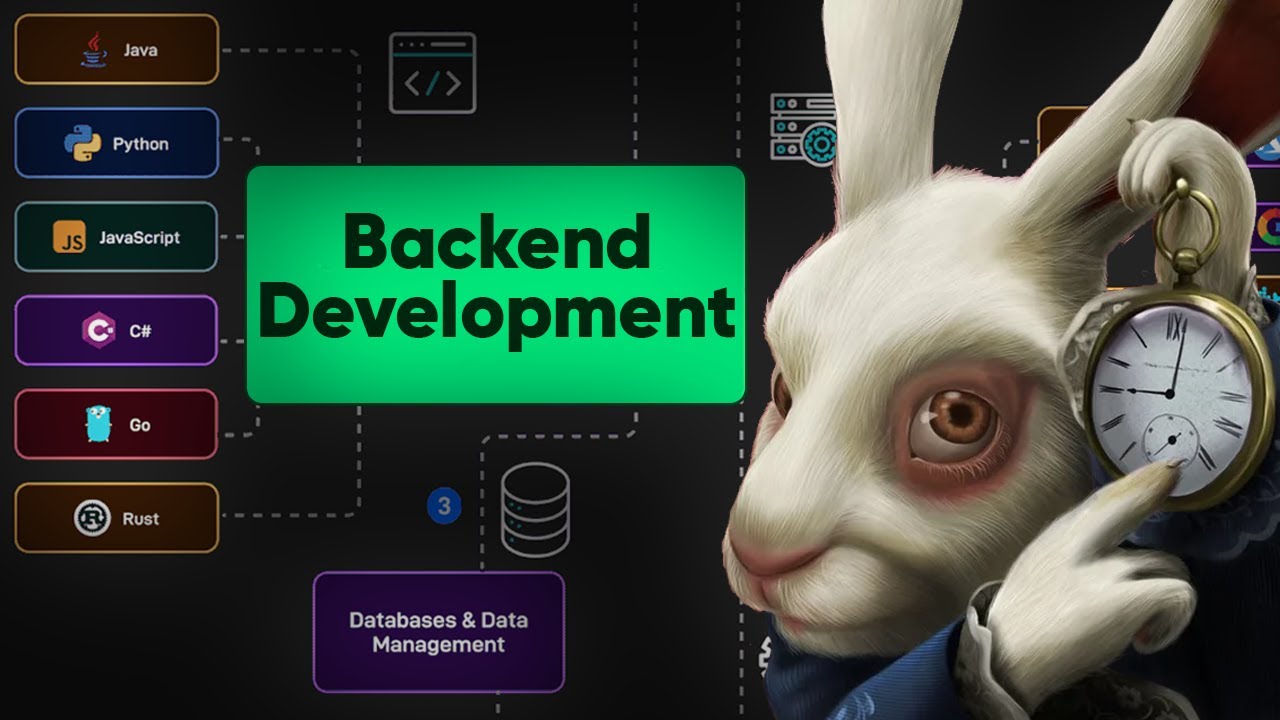
10 Concepts EVERY Backend Dev Should Know
As a backend developer, your job is about much more than just writing code. You are the architect of the system’s “brain”—responsible for how data flows, how it’s stored, and how the system survives under pressure. Here are the 10 fundamental concepts that every backend developer must master to build production-grade systems in 2026. 1.…
-

Figma to Webflow Using Claude MCP: The 1-Hour Workflow
For years, the manual transition from a Figma design to a live Webflow site has been a tedious bottleneck for designers. With the emergence of Claude MCP (Model Context Protocol) connectors, it is now possible to have AI handle the heavy lifting of building the scaffolding, allowing designers to focus on high-level creative work.
-
New UX/UI Tools Will Blow Your Minds 🤯 – Figma Killer, Web Animator & More
The world of UI/UX design is moving at light speed, with new tools emerging that challenge industry giants and streamline the transition from canvas to code. From AI-driven Figma alternatives to high-end web animators, 2026 is shaping up to be a transformative year for creatives.
-

How to Use Claude Code for Free: Setup and Best Practices
Developing a software project no longer requires a massive budget. In a recent guide by Hasan Aboul Hasan, it was demonstrated how to bypass expensive API costs by routing Claude Code through OpenRouter to access high-quality free models.
-
The New Spec-Driven Workflow: A Masterclass in Chaos?
In the ever-evolving world of software development, a new methodology is taking center stage: Spec-Driven Development (SDD). While “Vibe coders” and product managers are celebrating, many seasoned engineers are left wondering if this is the final nail in the coffin for the joy of coding.
-
How to Reach Your Full Potential as a Programmer
In today’s landscape of AI-generated code and endless tutorials, it’s easy for programmers to become “shallow”—able to copy-paste solutions but unable to build deep mental models. In a compelling video by CodeHead, the path to reaching your peak as a developer is distilled into a simple yet challenging cycle: Read, Experiment, Get Uncomfortable, and Teach.
-
Canva AI 2.0: The Future of Creative Orchestration
At the recent Canva Create 2026 event, Canva unveiled Canva AI 2.0, a “generational leap forward” that transforms the platform from a design tool into a true creative partner. This update introduces nine powerful new capabilities designed to streamline workflows and unlock new levels of imagination.
-
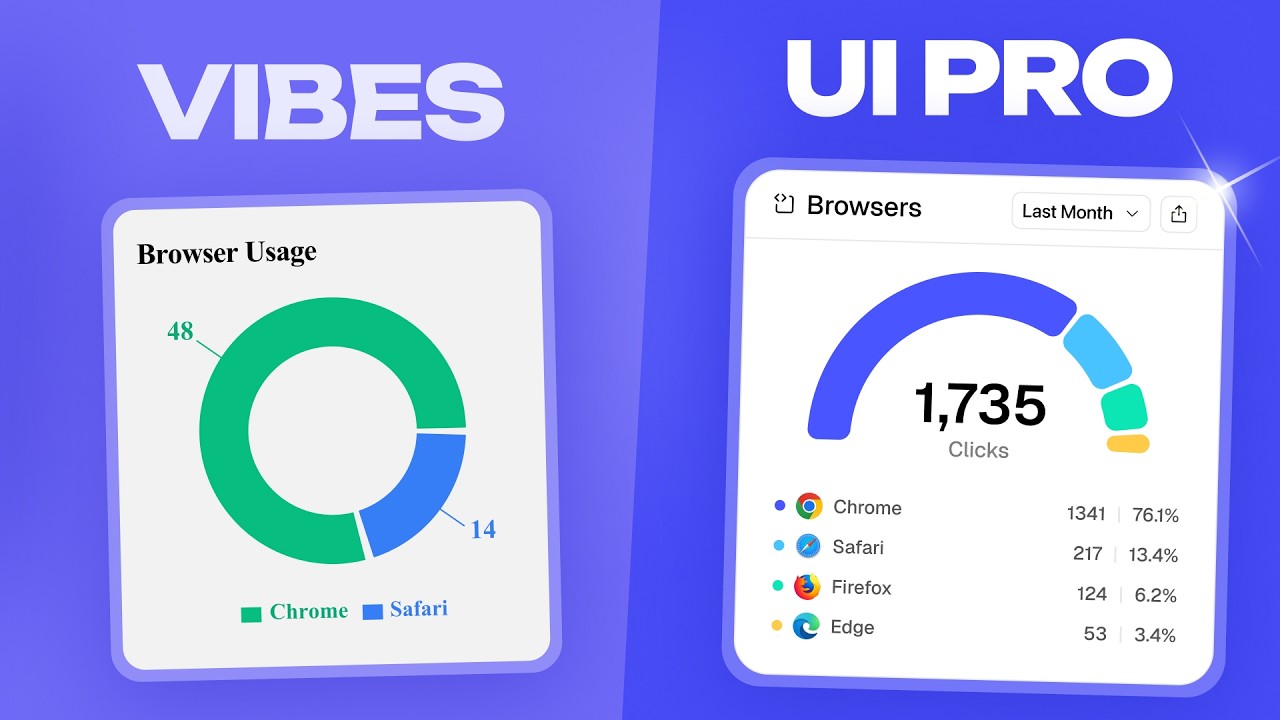
5 SaaS UI/UX Mistakes That Scream You “Vibe Code” (And How to Fix Them)
“Vibe coding”—using AI tools like Cursor or Replit to quickly build functional software—is the new standard for rapid development. However, while AI is great at logic, it is notoriously bad at design. If your SaaS works perfectly but looks “off,” you’re likely falling into common AI-driven design traps. In a recent teardown, designer Kole Jain…
-
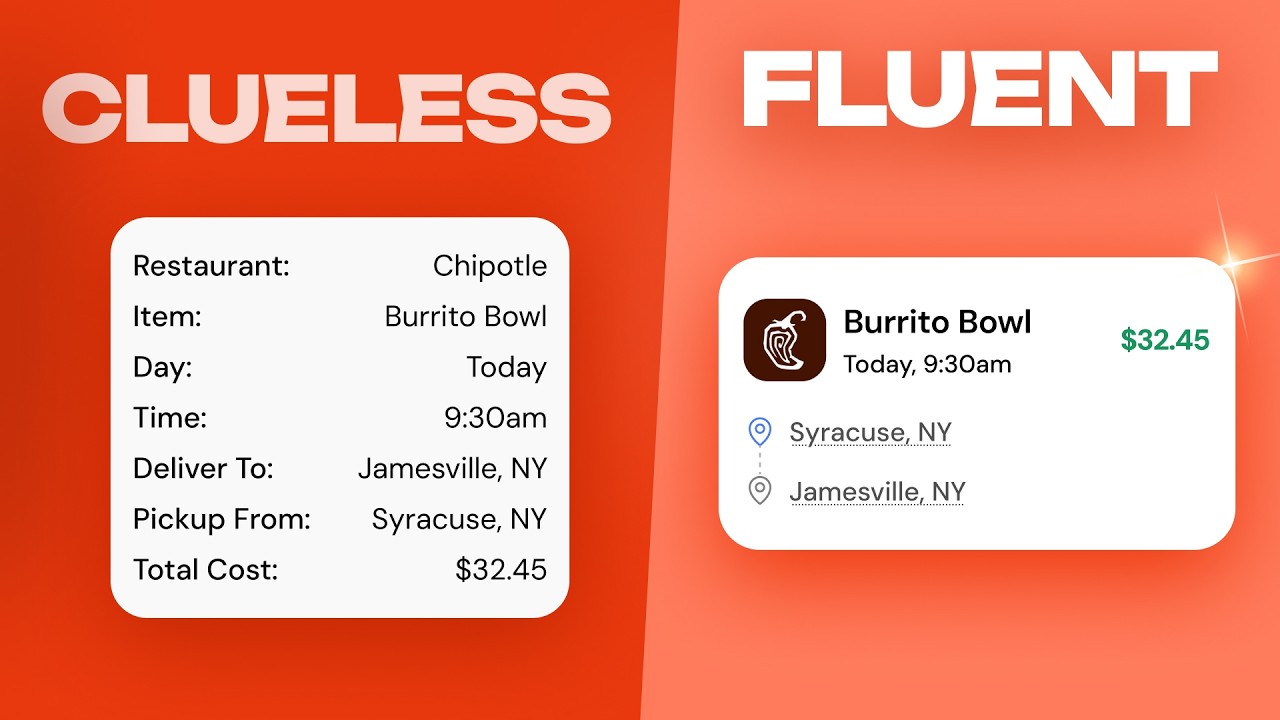
Mastering the Basics: Every Major UI/UX Concept Explained
Whether you are a seasoned designer or just starting your journey, grounding yourself in the core principles of UI/UX is essential. In a recent rapid-fire guide, designer Kole Jain broke down the most critical concepts you need to build professional, intuitive digital products. Here is a summary of the key takeaways.
-
What Happens When Anyone Can Prompt a Design?
The internet is currently flooded with “design is dead” headlines. Every day, we hear that AI has “cooked” web designers and that the design process is officially over. But if you look closer, the opposite is actually true. As building and execution become democratized through AI, the value of traditional design skills isn’t disappearing—it’s shifting.…
-
UX/UI Is About to Change Forever with AI (and nobody even realises)
We are currently witnessing the death of “static” design. In 2026, the industry is shifting from building fixed screens to designing intelligent systems that adapt in real-time. While most people see AI as just a shortcut for making icons or layouts, the reality is a fundamental rewrite of how humans interact with technology.