Category: Frontend Development
-

Prompt to Dashboard: Accelerating Data App Development with AI Code Mode
, a massive shift is occurring in how developers interact with data systems. By combining specialized developer platforms with the advanced Code Mode capabilities of frontier AI models, it is now possible to go from a single text prompt to a fully realized, interactive dashboard in a single tool call.
-
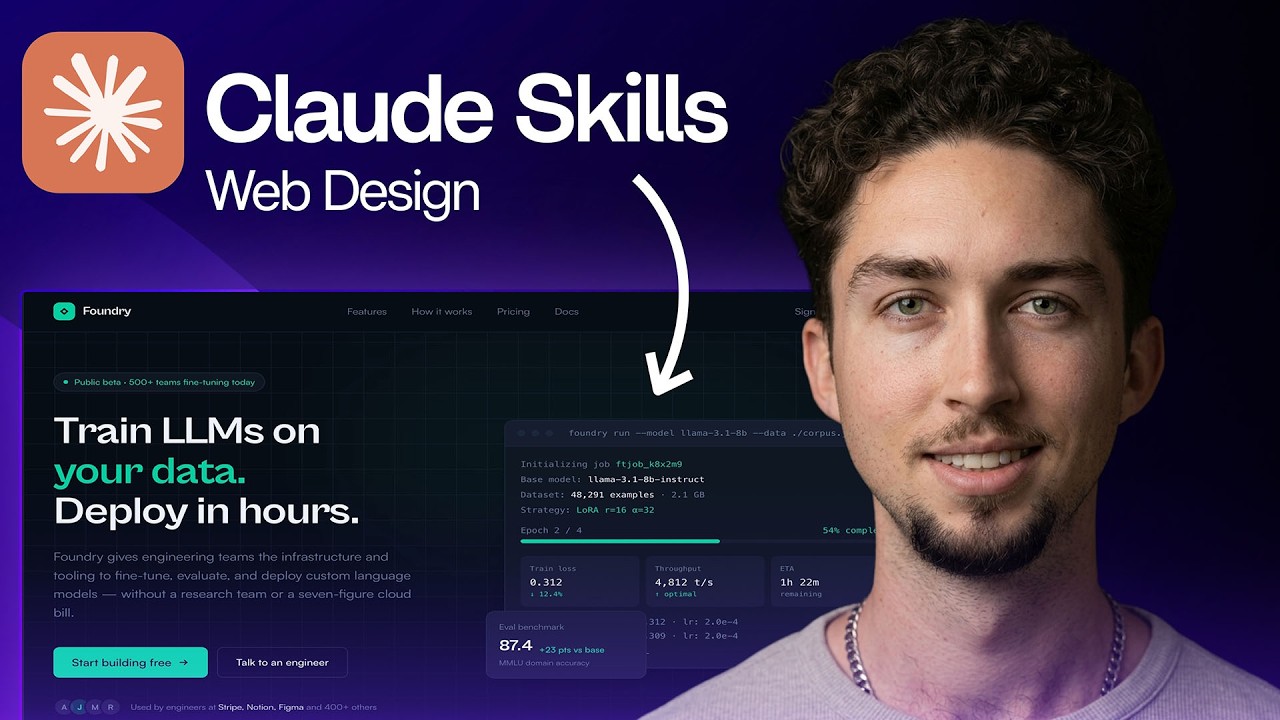
Claude 3.7 Sonnet vs. Front-End Web Design: Can AI Actually Design a Production Website?
In a recent experiment mirroring popular web design stress tests, we evaluated Claude’s capabilities in creating a completely production-ready, beautiful, and interactive web interface right from a text prompt. Here is what happened, where Claude shined, and where the human touch is still completely irreplaceable.
-
Figma to Webflow Using Claude MCP: The 1-Hour Workflow
For years, the manual transition from a Figma design to a live Webflow site has been a tedious bottleneck for designers. With the emergence of Claude MCP (Model Context Protocol) connectors, it is now possible to have AI handle the heavy lifting of building the scaffolding, allowing designers to focus on high-level creative work.
-
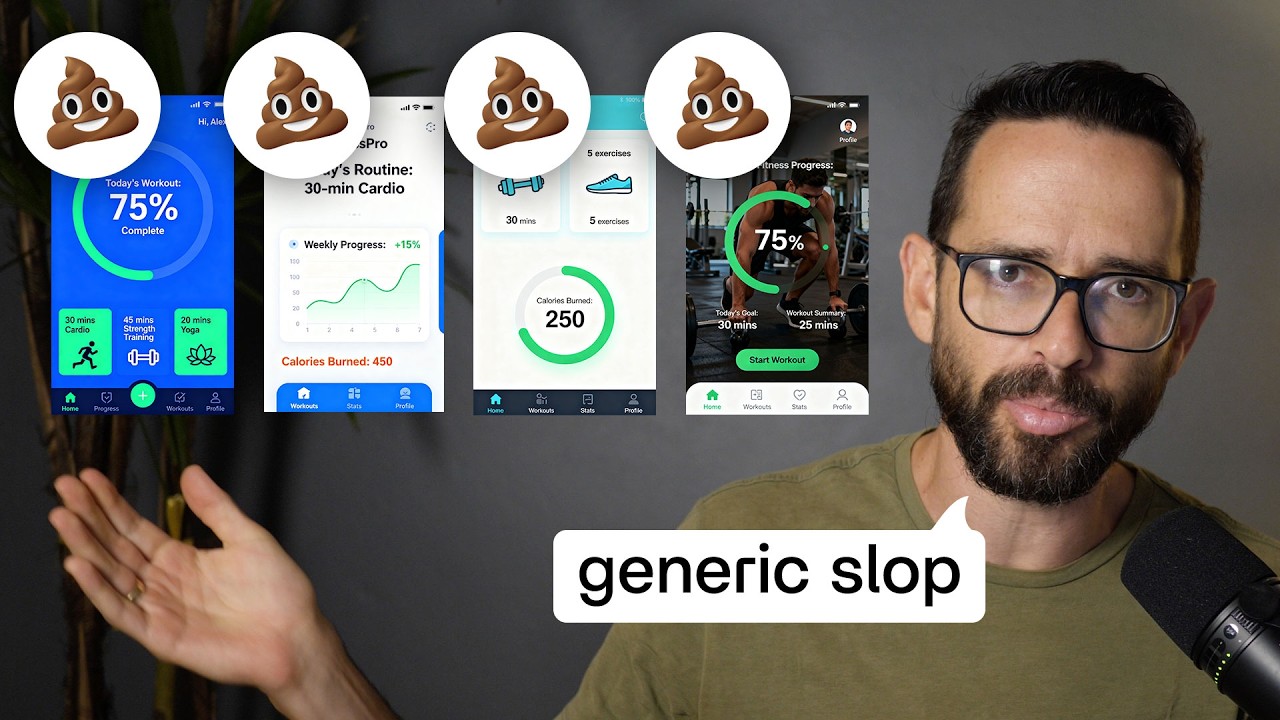
What Happens When Anyone Can Prompt a Design?
The internet is currently flooded with “design is dead” headlines. Every day, we hear that AI has “cooked” web designers and that the design process is officially over. But if you look closer, the opposite is actually true. As building and execution become democratized through AI, the value of traditional design skills isn’t disappearing—it’s shifting.…
-
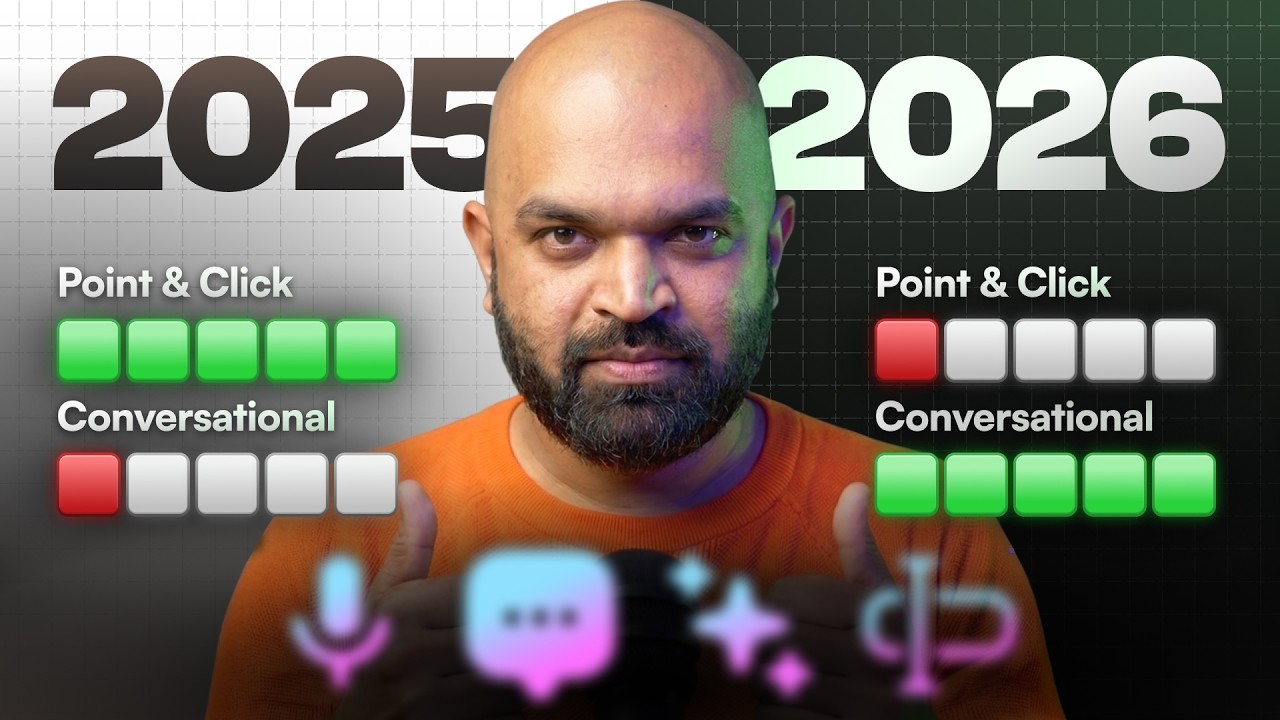
UX/UI Is About to Change Forever with AI (and nobody even realises)
We are currently witnessing the death of “static” design. In 2026, the industry is shifting from building fixed screens to designing intelligent systems that adapt in real-time. While most people see AI as just a shortcut for making icons or layouts, the reality is a fundamental rewrite of how humans interact with technology.
-
🚀 This Tool Will Make Website Prototyping 10× Faster (Relume Explained)
Relume, which aims to make website prototyping up to 10× faster by combining AI generation, visual design systems, and seamless export to popular development platforms.
-
Top 5 Javascript Effect Libraries in 2026
Whether you are building a high-end branding site or a functional dashboard, these five tools represent the peak of web interactivity in 2026. For pure 3D: Use the Three.js + Theatre.js combo. For UI interactions: Stick with the lightweight Anime.js. For robust site builds: GSAP and Barba.js will provide the stability you need.
-
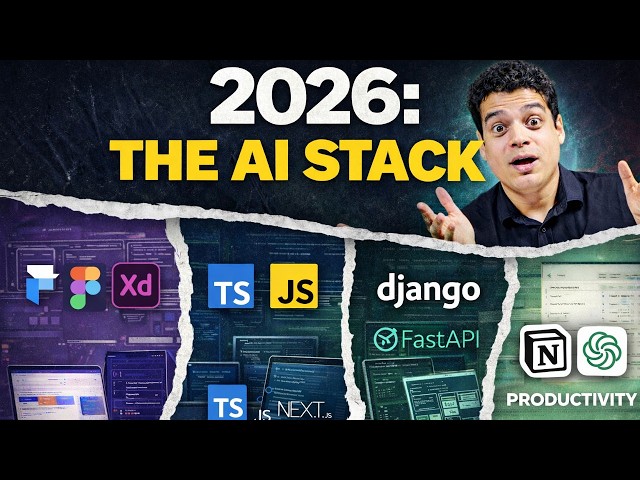
The Future is Here: Top 10 AI Developer Tools You Must Master in 2026
As we step into 2026, the landscape of software development has shifted dramatically. Coding is no longer just about syntax; it’s about productivity, planning, and architectural thinking. With AI generating massive amounts of code through tools like Claude and Gemini, the role of a developer has evolved into that of a “system architect.” In a…
-
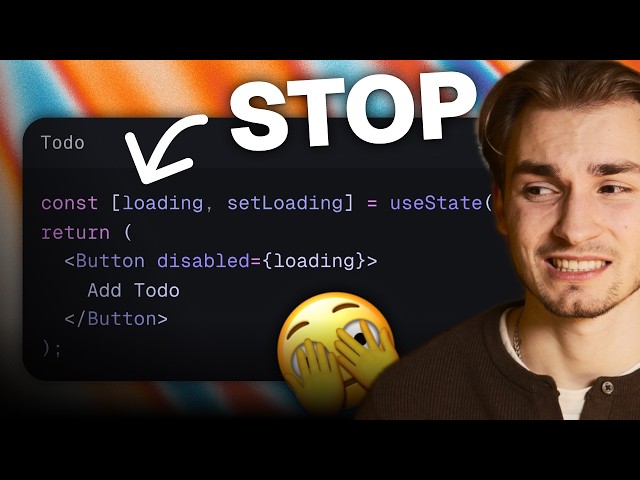
Stop Showing Loading States — Start Using Optimistic UI
Optimistic UI shifts how developers think about latency and responsiveness. Rather than waiting for confirmation before updating the UI, you predict success, update immediately, and confirm later. This approach increases perceived performance, enhances user satisfaction, and is a powerful pattern in modern frontend development. However, it must be implemented with robust error handling and rollback…
-
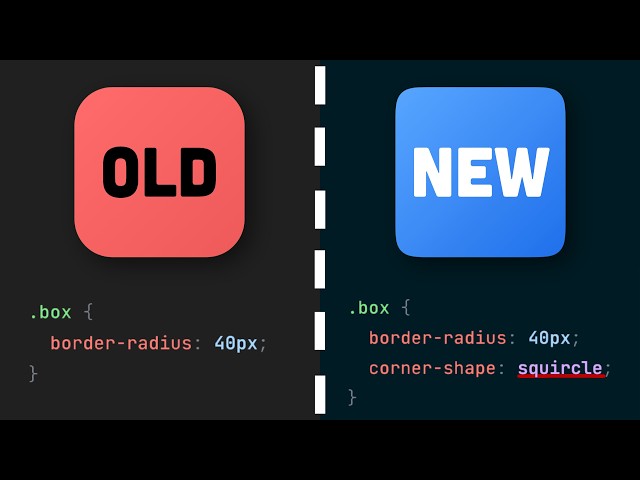
10 New CSS Features You Need to Know for 2026
For developers preparing for 2026 and beyond, mastering these CSS advances will translate into better performance, more adaptable layouts, and fewer headaches during maintenance.
-
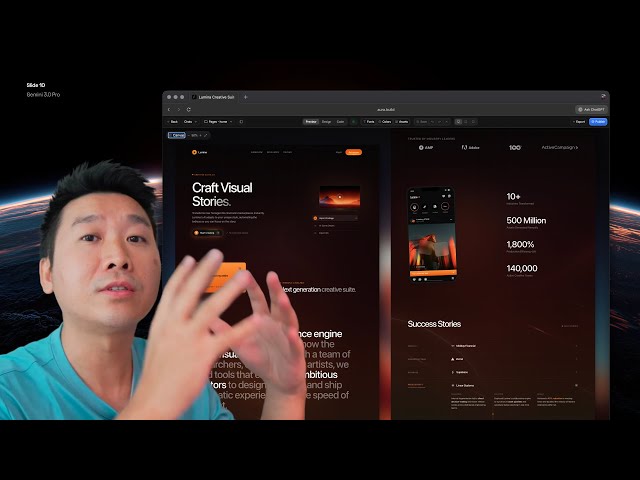
🚀 The Golden Era of Web Design: How Gemini 3 Changes Everything
The era of generic, purple-hued landing pages generated by AI is officially over. The release of Gemini 3 marks a revolutionary shift, ushering in what many are calling the “Midjourney era for web design.” This new model excels in creativity, sophisticated animation, complex typography, and logic, but its power is unlocked only when you master…
-
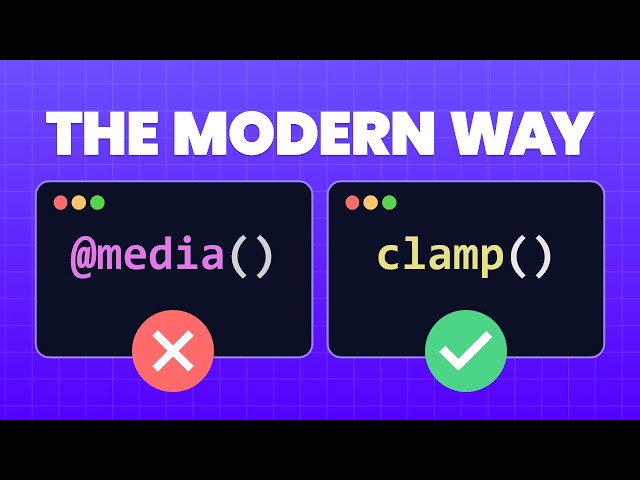
Stop Using So Many Media Queries – Use clamp() Instead!
For years, responsive design has relied heavily on an exhaustive list of media queries to adjust font sizes, paddings, and element widths across different devices. This results in bloated, difficult-to-maintain CSS. The modern solution lies in three powerful CSS functions—min(), max(), and the ultimate fluid design tool, clamp().
-

Why the NEW Shadcn UI Update is a Game-Changer for Component Customization
Shadcn UI has fundamentally shifted how developers think about and manage components, turning them from “abstract blackbox things” into owned code within a codebase. However, with widespread adoption came a common complaint: a lot of apps started to look the same, resulting in the “Shadcn app”.
-

Unlocking the Power of the React Compiler 1.0 & TanStack Start
If you’re starting a new React project (especially with TanStack Start), enabling React Compiler 1.0 is a strongly recommended move: you get out-of-box memoization, better performance, and fewer boilerplate optimizations to think about. For existing apps, adopt thoughtfully and use it to gradually simplify your memoization logic while baking in performance improvements.
-

The React Foundation: Solving React’s Existential Problems and Securing its Future
This foundation not only secures the framework’s funding but resolves critical questions about control and direction. It opens the door for React to evolve and innovate in ways previously unimaginable, creating a more stable and community-driven ecosystem for everyone involved.