Category: Artificial Intelligence
-

7 Open-Source AI Tools You Need to Know in 2026
The landscape of software development has shifted. We’ve moved from the era of handcrafted code to the “Dark Ages of Slop Overflow,” where AI agents argue in our terminals and CEOs claim that not knowing how to code might actually be an advantage.
-
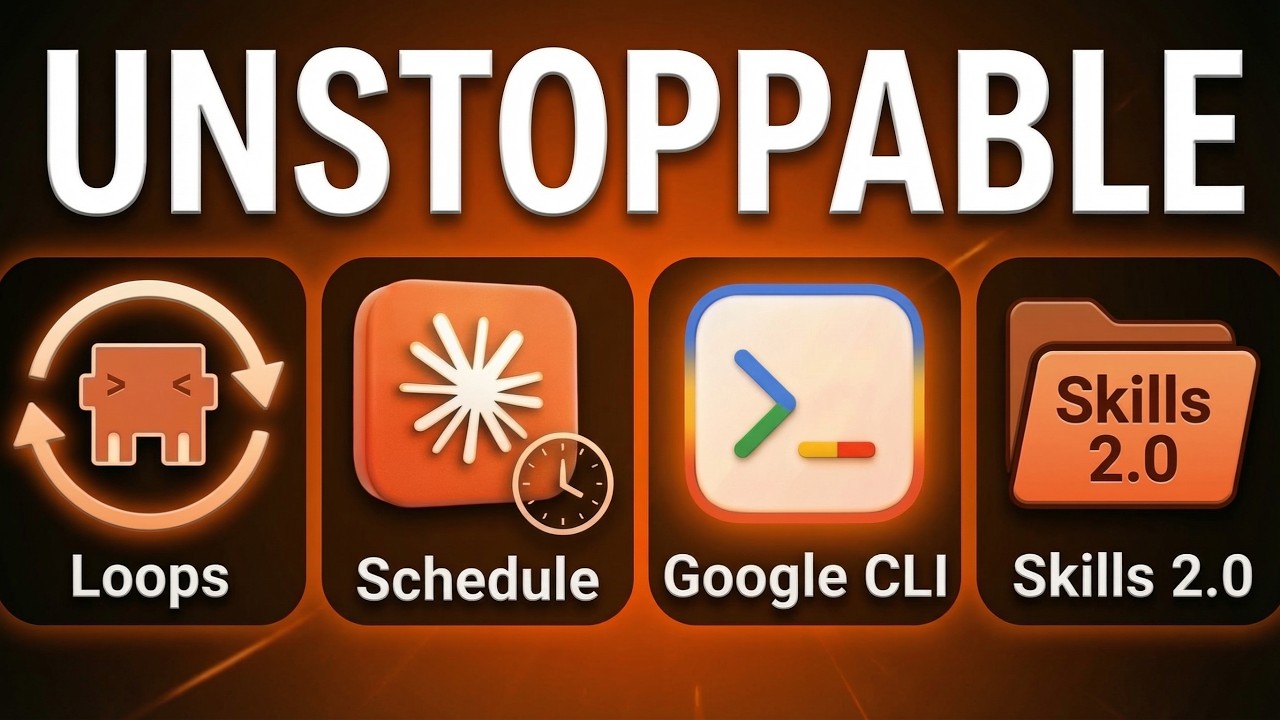
Claude Code 2.0: The 4 Major Updates That Change Everything
Anthropic is shipping fast. The latest iteration of Claude Code (and its desktop counterpart, Claude CoWork) introduces four transformative features that turn Claude from a coding assistant into an autonomous workforce.
-
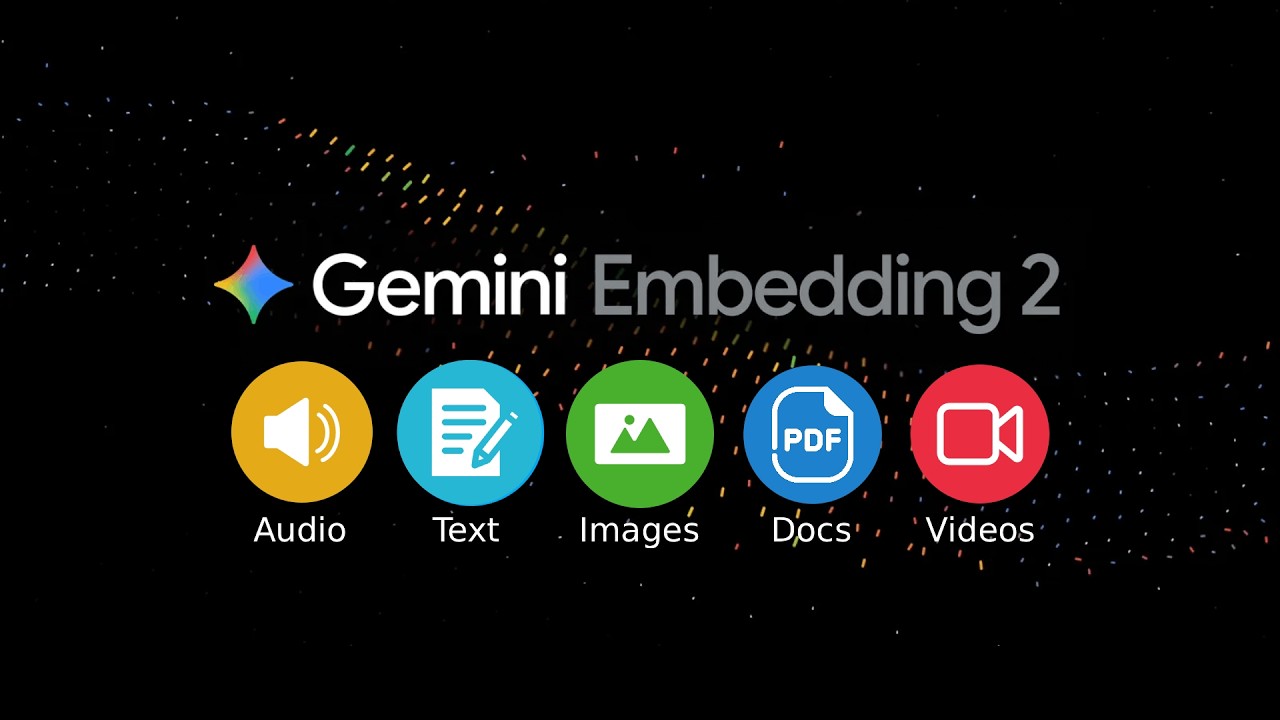
Gemini Embedding 2: One Model to Index Them All
Imagine building a search system that can handle text, images, audio recordings, video clips, and PDFs—all within the same search query. Traditionally, this would require a complex pipeline: multiple vector stores, various specialized embedding models (like CLIP for images or Whisper for audio transcription), and a messy fusion layer to combine the results. [01:32] With…
-

Learn 90% Of Claude in 20 Minutes: Chat, CoWork, Code, Skills, Connectors, Plugins
Anthropic’s Claude has evolved from a simple chatbot into a comprehensive productivity ecosystem. To truly master AI-assisted work, you need to understand the three distinct faces of Claude and how to supercharge them with advanced capabilities.
-
Beyond Vibe Coding: Why Spec-Driven Development is the Future of AI Engineering
In the rapidly evolving world of AI-assisted development, the way we build applications is undergoing a massive shift. We’ve moved past the era where writing and reviewing code was the primary bottleneck. Today, the real challenge lies in effectively conveying what you want to build to a Large Language Model (LLM).
-

🚀 NotebookLM Gives You Superpowers — Here’s How to Unlock Them
Artificial Intelligence tools are everywhere — but most of them only scratch the surface of what’s possible. If you want an AI tool that actually understands your research, organizes knowledge, and helps you think better, Google NotebookLM is in a completely different league.
-
🎥 OpenClaw Creator: Why 80% Of Apps Will Disappear
The idea that 80% of apps could vanish sounds extreme — but it reflects a deeper shift in how humans interact with technology.
-
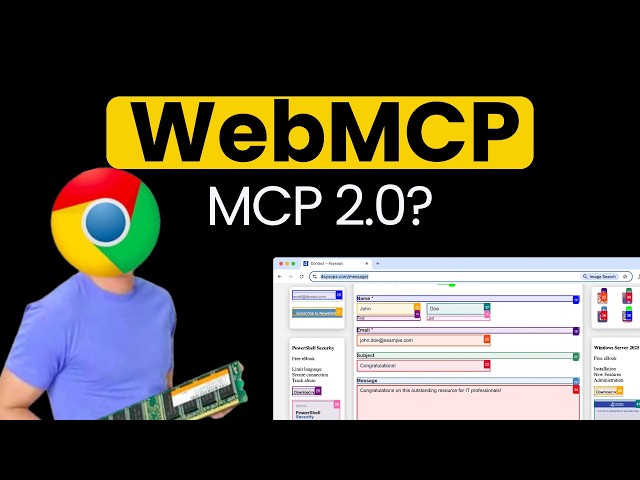
🚀 WebMCP Explained — Why It’s Awesome & How to Use It
WebMCP is a browser-native standard that allows websites to expose structured tools directly to AI agents. Instead of AI trying to “understand” a website by reading HTML, clicking buttons, or analyzing screenshots, the website explicitly tells the AI what actions are possible.
-

🚀 This Tool Will Make Website Prototyping 10× Faster (Relume Explained)
Relume, which aims to make website prototyping up to 10× faster by combining AI generation, visual design systems, and seamless export to popular development platforms.
-
The Future is Here: Top 10 AI Developer Tools You Must Master in 2026
As we step into 2026, the landscape of software development has shifted dramatically. Coding is no longer just about syntax; it’s about productivity, planning, and architectural thinking. With AI generating massive amounts of code through tools like Claude and Gemini, the role of a developer has evolved into that of a “system architect.” In a…
-

AI for Data Analysis in 21 Minutes: A Practical Guide to Smarter Analytics
AI For Data Analysis in 21 Minutes delivers a concise but powerful blueprint for integrating AI into everyday analytical work. From frameworks that help guide when to use AI, to practical examples with tools like Perplexity and ChatGPT, this video equips viewers to redefine traditional analysis workflows. Whether you’re in finance, marketing, research, or business…
-

AI Periodic Table Explained: Mapping LLMs, RAG & AI Agent Frameworks
The YouTube video “AI Periodic Table Explained: Mapping LLMs, RAG & AI Agent Frameworks” provides a visual, structured model — inspired by the chemical periodic table — to break down and categorize AI system components. This AI Periodic Table helps audiences decode complex generative AI architectures and understand how fundamental building blocks combine to create…
-
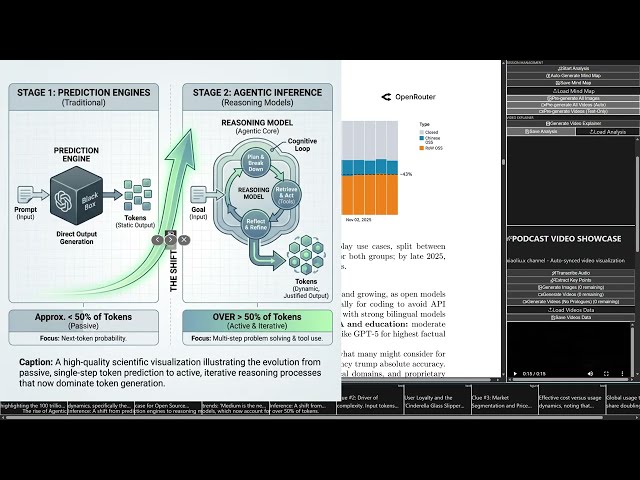
State of AI: Real Usage Trends from 100 Trillion Tokens
The State of AI report, and this YouTube video summarizing its findings, highlights that the future of AI will be shaped by real usage patterns — not just benchmarks or theoretical models. With over 100 trillion tokens worth of interaction data, this study gives a robust picture of how models are used, what kinds of…
-

Start Architecting: How Google Antigravity and Cloud Run Are Redefining App Development
In the ever-evolving world of cloud computing and modern software development, the role of developers is transforming. Gone are the days when success meant writing thousands of lines of code. Today, the real value lies in architecting thoughtful solutions, building scalable systems, and navigating complex workflows with purpose. this video explores how modern tools like…
-
The Vercel AI SDK Killer? Why Tanstack AI is the Next Big Thing for AI Agent Development
For years, Vercel’s AI SDK has been the dominant, modern way to build robust AI agents, but a new, formidable competitor has emerged: Tanstack AI. Given that the Tanstack team is behind ubiquitous libraries like React Query, this new offering is the first real challenger with a massive ecosystem backing it. While Tanstack AI is…
-

OpenAI Just Dropped GPT-5.2… (WOAH): A Deep Dive into the New State-of-the-Art Model
OpenAI has officially launched GPT-5.2, and the preliminary results confirm it’s not just an iteration—it’s a massive leap forward. Backed by extensive new benchmarks and stunning demos, GPT-5.2 is setting new standards for thinking, coding, and real-world utility. This is a breakdown of the key areas where the model is dominating the competition.
-

ChatGPT 5.2 vs. Gemini 3 Pro: Which AI Deserves to Be Your Daily Driver?
OpenAI has just launched ChatGPT 5.2, directly challenging the dominance of Gemini 3 Pro, which has held the top spot in many benchmarks for weeks. This head-to-head test puts both models through real-world scenarios to determine which one is truly the superior AI assistant for your daily workflow.
-

You’ve Been Using AI the Hard Way (Use This Instead)
he days of copy-pasting code snippets from a web-based AI chat window are rapidly ending. If your AI workflow still relies on the browser GUI for complex tasks, you are using AI the hard way. The new standard for efficiency and power in AI interaction is moving directly into the terminal and agentic coding environments.…